Kingdom: A Masterpiece of Medieval Horror and Political Intrigue
The Crown Prince's Quest Against Plague and Treachery
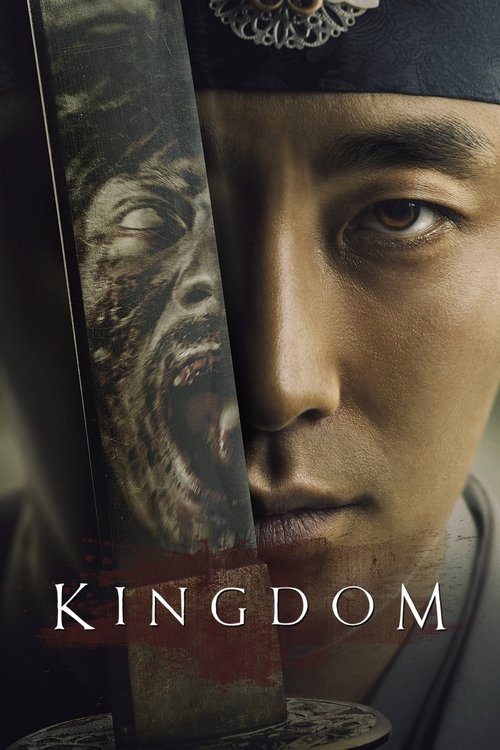
Image source: TMDB
Overview
Kingdom is an extraordinary Korean thriller that premiered on January 25, 2019, redefining the zombie genre through a sophisticated blend of historical drama and supernatural horror. With a compelling rating of 8.209 out of 10 on TMDB, this series has captivated audiences worldwide across two seasons comprising twelve episodes. Kingdom stands as a testament to the evolution of Korean television, bringing together meticulous storytelling, stellar performances, and groundbreaking special effects to create something truly remarkable. The series operates at the intersection of drama and mystery, genres that it elevates beyond conventional expectations. Rather than relying solely on jump scares and gore, Kingdom constructs a narrative that demands intellectual engagement while delivering visceral thrills. Each episode builds upon carefully laid foundations, creating a tapestry of conspiracy, survival, and redemption that keeps viewers perpetually on the edge of their seats.
Plot Summary
Kingdom transposes the zombie apocalypse into Korea's medieval Joseon dynasty, a setting already ravaged by corruption and widespread famine. The narrative begins with an unsettling rumor: the king has died. Simultaneously, a strange and inexplicable plague emerges that transforms the infected into something neither alive nor dead—creatures that possess an insatiable hunger for human flesh while remaining immune to conventional death. This dual catastrophe creates a perfect storm of chaos and fear throughout the kingdom. The crown prince, Chang, finds himself in an impossible position. Falsely accused of conspiracy and framed by those in power, he must navigate a treacherous political landscape while battling an existential threat to his entire nation. His journey becomes one of vindication and revelation as he races to expose the evil machinations behind both his downfall and the plague. The crown prince cannot rely on traditional authority structures, as corruption has infiltrated the highest echelons of power. Instead, he must forge unlikely alliances with commoners, scholars, and outcasts who possess the courage and insight to help him uncover the truth. The series excels at maintaining tension between the personal stakes—the prince's fight for his life and reputation—and the collective stakes of an entire civilization facing extinction. This balance is what elevates Kingdom beyond typical zombie fare into something approaching tragic grandeur.
Cast and Characters
- Ju Ji-hoon as Crown Prince Chang: The heart and moral center of the series, Crown Prince Chang is a complex protagonist burdened with the weight of leadership and the agony of betrayal. Ju Ji-hoon brings remarkable depth to the role, portraying Chang as intelligent, determined, and compassionate despite the horrors surrounding him. His performance captures the internal conflict of a prince who must balance his desire for justice with his responsibility to protect his people. Chang's journey from victim to hero is earned through suffering and sacrifice, making his arc one of the most compelling in recent television.
- Ryu Seung-ryong as Cho Hak-ju: A towering figure of political power and corruption, Cho Hak-ju represents the systemic decay that has hollowed out the Joseon dynasty. Ryu Seung-ryong delivers a magnetic performance as this antagonist, creating a character who is simultaneously repulsive and undeniably fascinating. Hak-ju's motivations extend beyond simple villainy; his character embodies how ambition and desperation can transform ordinary men into monsters. The actor's ability to convey menace through restraint and calculated actions makes him an unforgettable antagonist.
- Bae Doona as Seo-bi: Seo-bi emerges as one of the series' most vital characters, a woman of intelligence, courage, and medical knowledge whose contributions prove essential to survival and understanding the plague. Bae Doona portrays her as resourceful and resilient, someone who refuses to be relegated to passive roles despite the patriarchal constraints of her time. Her character development throughout the series is particularly impressive, as she evolves from a young woman trying to navigate a collapsing society into a beacon of hope and scientific understanding.
- Kim Sang-ho as Moo-yeong: Moo-yeong serves as a tragic figure whose connection to the plague creates personal stakes beyond the broader catastrophe. Kim Sang-ho infuses the character with vulnerability and depth, creating moments of profound emotional resonance. His performance highlights how the plague affects not just the collective society but individual families and relationships.
- Kim Sung-kyu as Yeong-sin: A spiritual and philosophical character whose perspective on the unfolding horror provides important counterbalance to the political machinations. Kim Sung-kyu brings a contemplative quality to the role, grounding the supernatural elements in human spirituality and ethics.
- Jun Suk-ho as Cho Beom-pal: An antagonistic force whose personal vendetta intertwines with the larger conspiracy, Jun Suk-ho creates a character whose motivations feel both personal and political. His performance emphasizes how individual grievances can metastasize into larger catastrophes.
Why You Should Watch
Unprecedented Historical Reimagining
Kingdom represents a bold creative decision to transpose the zombie genre into the Joseon dynasty, a setting that has been extensively explored in Korean cinema and television. Yet somehow, the combination feels entirely fresh and revelatory. The historical setting provides context for the plague's spread and the societal collapse, making the catastrophe feel not like an external invasion but an organic consequence of existing corruption and systemic failure. The Joseon dynasty was a real historical period characterized by rigid hierarchies, confucian philosophy, and periods of genuine hardship. By setting Kingdom during this era, the creators invite viewers to contemplate how epidemiological disasters manifest differently across time periods and social structures. The constraints of medieval medicine become sources of terror in their own right; without modern understanding of disease, the characters must grapple with explanations ranging from supernatural to purely biological. This historical authenticity grounds the supernatural elements, making them somehow more terrifying than contemporary zombie stories.
Masterful Blend of Political Thriller and Horror
What distinguishes Kingdom from typical zombie entertainment is its refusal to simplify the narrative into a straightforward humans-versus-monsters conflict. Instead, the series maintains parallel storylines of political conspiracy and plague outbreak, revealing how corruption creates conditions for both human and supernatural catastrophe. The political machinations feel urgent and significant rather than mere window dressing for zombie action sequences. Cho Hak-ju and his allies use the plague as a tool for power consolidation, while the crown prince must simultaneously fight for his survival and expose the conspiracy. This complexity means that viewers must engage their minds throughout every episode, considering not just immediate survival threats but deeper questions about power, responsibility, and the nature of leadership during crisis. The mystery elements arc across the series, with revelations building upon previous discoveries in ways that reward careful attention.
Exceptional Production Values and Cinematography
Kingdom showcases production values that rival feature films, with attention to detail evident in every frame. The plague victims are rendered with disturbing realism, their physical deterioration and behavioral patterns carefully choreographed to create something genuinely unsettling rather than cartoonish. The cinematography emphasizes the contrast between the beauty of Joseon architecture and costume design and the horror unfolding within those spaces. Wide shots capture the scale of societal collapse, while intimate close-ups reveal character emotions and reactions. The sound design deserves particular praise; the soundscape of Kingdom is haunting and evocative, with silence used as effectively as music to create dread. Color grading throughout maintains a slightly desaturated palette that suggests a world where hope has been drained away, replaced by ash-gray tones punctuated by the red of blood and fire. This visual approach ensures that Kingdom feels aesthetically distinct from other Korean dramas and international zombie content.
Recommendation
Kingdom comes highly recommended for viewers who crave intelligent, sophisticated entertainment that refuses to underestimate audience intelligence. If you have exhausted typical zombie fare and yearn for something with genuine narrative complexity and thematic depth, Kingdom absolutely delivers. The series will appeal to fans of historical drama, political thrillers, horror, and mystery—essentially, Kingdom operates across multiple genres simultaneously, ensuring broad appeal. Those who appreciated Korean dramas like Descendants of the Sun or Mr. Sunshine will find Kingdom's combination of personal drama and epic scope deeply satisfying. The 8.209 TMDB rating reflects genuine critical and audience appreciation rather than inflated assessment; this is a series that genuinely earns its acclaim. With only twelve episodes across two seasons, Kingdom is also eminently bingeable, allowing viewers to experience the full narrative arc without the frustration of lengthy waiting periods between seasons. The pacing is deliberate rather than rushed, giving each episode time to develop characters and themes while maintaining forward momentum toward increasingly significant revelations.
Trailer
To experience the atmospheric tension and visual spectacle of Kingdom for yourself, watch the official trailer at Kingdom Official Trailer. The trailer effectively conveys the blend of historical drama and supernatural horror while showcasing the production quality and cast performances that make the series so compelling.
Final Thoughts
Kingdom stands as a remarkable achievement in contemporary Korean television, proving that the zombie genre remains fertile ground for creative storytelling when approached with ambition and sophistication. The series transcends its genre classifications through commitment to character development, political complexity, and thematic exploration of corruption, survival, and redemption. Rather than asking viewers to passively consume entertainment, Kingdom demands engagement, rewards attention to detail, and respects audience intelligence. Ju Ji-hoon's performance as the crown prince creates a protagonist whose suffering feels genuine and whose victories feel earned. The supporting cast creates a rich tapestry of characters whose fates remain perpetually uncertain, creating emotional investment that extends beyond mere genre thrills. The Joseon dynasty setting provides historical texture that elevates the narrative beyond typical zombie storytelling, suggesting that the plague represents not an external invasion but an organic consequence of societal rot and corruption. Over the course of twelve episodes, Kingdom builds toward conclusions that feel both surprising and inevitable, earned through careful narrative construction rather than arbitrary plot turns. The series manages the difficult balance of providing satisfying resolutions while leaving viewers contemplating larger themes about power, disease, and the fragility of civilization. Whether you approach Kingdom as a horror fan seeking genuine scares, a drama enthusiast craving character complexity, or a mystery lover enjoying intricate plotting, the series delivers on all fronts. This is essential viewing for anyone interested in the current state of Korean television or the future of the zombie genre. Kingdom proves that truly great entertainment transcends easy categorization, offering instead a complete artistic experience that lingers in memory long after the final credits roll.
Information sourced from TMDB (The Movie Database).